Senior Audiologist • 9/16/2026

If you’re a Central Government employee, pensioner, or a CGHS-covered dependent dealing with hearing loss, there’s important news. On 9 September 2026, the Ministry of Health & Family Welfare issued a fresh Office Memorandum revising the reimbursement rules for hearing aids under CS(MA) Rules, 1944 and CGHS — replacing the guidelines that had been in place since December 2020. This guide breaks down exactly what changed, who qualifies, how much you can now claim, and how to get a CGHS-compliant hearing aid fitted at Insono Hearing.
What Is the New CGHS Hearing Aid Reimbursement Ceiling Rate in 2026?
Under Office Memorandum No. S.11030/76/2026-EHS (dated 9 September 2026), issued by Deputy Secretary Sonika Khattar, the Ministry has revised the maximum amount CGHS beneficiaries can claim back for a hearing aid.
| Category | Maximum Admissible Ceiling (2026) |
| Standard Digital Programmable & Rechargeable Hearing Aid (Digital BTE & Digital ITC/CIC) | ₹30,000 per ear (actual bill or ceiling, whichever is lower) |
| Bilateral fitting (clinically justified, both ears) | Up to ₹60,000 (subject to actual expenditure) |
The ceiling is inclusive of GST and all other applicable taxes, and it covers a complete usable package along with a mandatory 3-year comprehensive warranty. No separate reimbursement is given for GST, the standard charger, fitting, programming, verification, counselling, or routine maintenance — these must be included within the ceiling amount.

Who Is Eligible for CGHS Hearing Aid Reimbursement?
You qualify if you fall into one of these categories and your hearing loss is clinically certified:
Hearing loss must be certified through audiometric/audiological assessment by a government or CGHS-empanelled ENT specialist. Note that Armed Forces, Railways, and Delhi Police personnel are generally covered under separate healthcare schemes, so it’s worth confirming which rules apply to you before starting the process.
What Type of Hearing Aids Does CGHS Cover Now?
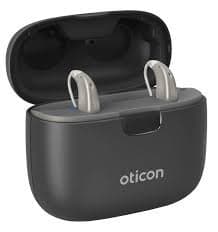
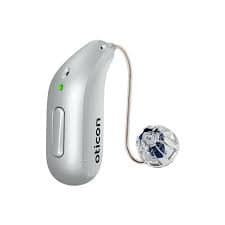
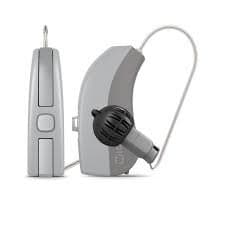
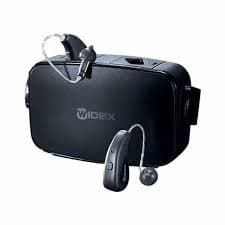
The revised guidelines cover Standard Digital Programmable & Rechargeable Hearing Aids only — specifically Digital BTE (Behind-the-Ear) and Digital ITC/CIC (Completely-in-Canal) styles. Body-worn or pocket-type hearing aids and analogue BTE hearing aids remain excluded and are not reimbursed under the new rules.
If you’re comparing options across brands before your ENT consultation, our complete hearing aid price list covering Phonak, Oticon, ReSound, Widex & Signia is a useful starting point — and our guide on what affects hearing aid cost explains why prices vary so much between models.
What Are the Minimum Functional Specifications Required?
Under Annexure-I of the OM, any hearing aid claimed for reimbursement must meet these minimum specifications:
Note: optional premium features such as wireless/Bluetooth streaming or app-based control do not entitle you to any additional reimbursement above the ceiling — the ₹30,000/₹60,000 cap applies regardless of these extras.
See our roundup of the best rechargeable hearing aids in India to compare models that meet this rechargeable requirement.

What Is the Step-by-Step Process to Get CGHS Reimbursement?
Step 1: Referral
A Medical Officer at your CGHS Wellness Centre refers you to an ENT Specialist.
Step 2: Prescription
The ENT Specialist recommends a hearing aid category based on your audiometric/audiological assessment. This recommendation is brand-neutral — CGHS does not approve specific brands, only technology categories.
Step 3: Prior Permission
You must get permission before purchasing:
Step 4: Undertaking (Annexure-II)
You sign a declaration confirming you have not claimed hearing aid reimbursement in the preceding 5 years, and that the device meets the required minimum specifications.
Step 5: Purchase & Claim
Once permission is granted, purchase the approved hearing aid from a provider like Insono Hearing, then submit your reimbursement claim with the required documents (see below) to your CGHS Wellness Centre (pensioners) or your Ministry/Department (serving employees).
What Documents Do You Need to Submit for Reimbursement?
| 1. | Referral letter from your CGHS Wellness Centre |
| 2. | ENT Consultant’s prescription + authenticated audiogram report |
| 3. | CGHS card copy |
| 4. | Original bill / tax invoice (seller details, RCI/MCI registration, device serial number, GST break-up) |
| 5. | Original permission letter (issued before purchase) |
| 6. | Empty box/carton with the original manufacturer label |
| 7. | Documentary evidence that the device meets the minimum functional specifications + fitting/programming record |
| 8. | 3-year comprehensive warranty certificate (device + charger) |
When Can You Replace a CGHS-Reimbursed Hearing Aid?
Replacement is permitted only after 5 years have passed from the date of purchase/reimbursement of the previous hearing aid. After this 5-year period, no condemnation certificate is required to claim a replacement — you can apply directly. Before the 5-year mark, replacement is not permitted under these rules except in specific circumstances your CGHS office can advise on.
After the 3-year warranty period ends, ongoing maintenance, batteries, and consumables become the beneficiary’s own responsibility and are not reimbursed.
What Is NOT Covered Under the New CGHS Hearing Aid Rules?
How Insono Hearing Can Help You Choose a CGHS-Compliant Hearing Aid
Insono Hearing stocks digital, rechargeable hearing aids across Signia, Phonak, Widex, Oticon, Starkey, and ReSound — many of which meet or exceed the CGHS minimum specifications (8+ channel digital processing, rechargeable power, adaptive feedback cancellation, and multi-year warranty options). Our audiologists can help you identify models that fit within the revised ₹30,000/₹60,000 ceiling, provide the documentation your CGHS office will ask for (invoice with RCI/MCI registration, warranty certificate, fitting record), and guide you through the fitting and verification process.
Not sure which brand suits you? Read Phonak vs Signia vs Oticon: Which Hearing Aid Brand Wins in India? or follow our step-by-step guide to choosing the right hearing aid before your ENT consultation.

Frequently Asked Questions

What is the new CGHS hearing aid ceiling rate for 2026?
₹30,000 per ear (inclusive of GST) for a Standard Digital Programmable & Rechargeable Hearing Aid, and up to ₹60,000 for a clinically justified bilateral (both-ear) fitting. This is per Office Memorandum No. S.11030/76/2026-EHS dated 9 September 2026, which supersedes the earlier OM from December 2020.
Who is eligible for CGHS hearing aid reimbursement?
Serving Central Government employees contributing to CGHS, Central Government pensioners and their CGHS-listed dependents, and eligible Autonomous Body beneficiaries — provided the hearing loss is certified by a government or CGHS-empanelled ENT specialist. Armed Forces, Railways, and Delhi Police staff are usually covered under separate schemes.
Can I choose any brand of hearing aid under CGHS?
Yes. CGHS approves technology categories, not specific brands — the ENT specialist’s recommendation is brand-neutral. As long as your chosen hearing aid meets the minimum functional specifications in Annexure-I (digital, rechargeable, 8+ channels, adaptive feedback cancellation, 3-year warranty, etc.), it qualifies.
How long is the warranty required under the new CGHS rules?
A minimum 3-year comprehensive warranty on both the hearing aid and its charger must be included within the reimbursement ceiling — this is a mandatory part of the ‘complete usable package.’
How often can I claim replacement for my CGHS hearing aid?
Replacement is allowed only once every 5 years from the date of purchase/reimbursement of your previous hearing aid. After the 5-year period is complete, no condemnation certificate is needed to apply for a replacement.
Does CGHS cover Bluetooth or app-connected hearing aids?
You can choose a Bluetooth or app-connected model, but CGHS does not pay extra for these premium features. Reimbursement is still capped at ₹30,000 per ear / ₹60,000 bilateral, regardless of any optional connectivity features the device offers.
What happens if my hearing aid costs more than the ceiling rate?
You will be reimbursed the actual bill amount or the ceiling rate, whichever is lower. If your chosen hearing aid costs more than ₹30,000 per ear, you will need to pay the difference out of pocket — CGHS will not reimburse beyond the prescribed ceiling.
Get Help With Your CGHS Hearing Aid Claim
Our audiologists can help you pick a CGHS-compliant, digital, rechargeable hearing aid and prepare the documentation your reimbursement claim needs.
📞 Call us: +91 6204260510 | +91 7742573686
💬 WhatsApp: Chat with us on WhatsApp
📍 Find your nearest clinic: Insono Hearing Clinics
💰 See full hearing aid price list: Hearing Aid Price Guide