Oticon
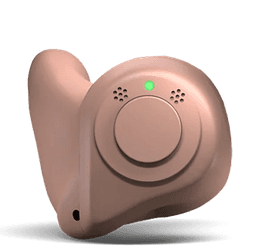
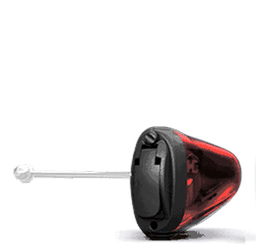
OTICON GO PRO D In-The-Canal (ITC) Hearing Aid
₹17,500MRP
Technology
AI-PoweredNoise CancellationTinnitus Masking
Style
ITC
Available Colors
BeigeDark ChampagneBlackSilverBrownSandy BrownDeep BrownGrey
Suitable For
Mild Hearing LossModerate Hearing LossSevere Hearing Loss
✅ Free 3-day home trial·🚚 Cash on delivery·🛡️ Genuine warranty
Oticon Go Pro D In-The-Canal (ITC) Hearing Aid – Full Description
The Oticon Go Pro D In-The-Canal (ITC) Hearing Aid is designed for people who want dependable hearing support in a compact, discreet hearing aid style. An ITC hearing aid sits partly inside the ear canal, making it less noticeable than traditional Behind-the-Ear (BTE) hearing aids while still providing personalised amplification based on the user's hearing requirements.
Hearing loss can make everyday communication challenging. People may struggle to understand conversations with family, miss words during meetings, find it difficult to follow television programmes, or frequently ask others to repeat themselves. The right hearing aid can help make speech and important everyday sounds more accessible.
The Oticon Go Pro D ITC is intended to provide a practical balance between discreet appearance, convenient handling, and hearing support. Because hearing loss differs from person to person, the device should be selected, programmed, and fitted by a qualified audiologist after a proper hearing assessment.
Discreet In-The-Canal Design
One of the main advantages of the Oticon Go Pro D ITC is its In-The-Canal design. Unlike a traditional BTE hearing aid, where the main device sits behind the ear, an ITC hearing aid is positioned partly within the ear canal.
This makes the hearing aid less visible when viewed from the front or side. For people who are concerned about the appearance of wearing a hearing aid, an ITC style can be an attractive option.
The compact design can also make the hearing aid feel more integrated into the user's everyday routine. Once properly fitted, users can wear it while participating in normal activities and conversations without having a large device behind the ear.
However, the visibility and size of an ITC hearing aid can vary depending on the user's ear anatomy and the degree of hearing loss being addressed. The audiologist will determine the appropriate size and fitting style.
Personalised Hearing Support
A hearing aid should not simply make all sounds louder. The purpose of professional hearing aid fitting is to provide appropriate amplification according to the individual's hearing loss.
The Oticon Go Pro D ITC can be programmed based on the user's hearing test results. The audiologist can adjust the device so that amplification is appropriate for the individual's hearing needs.
Personalised programming can be particularly important because hearing loss may affect different frequencies differently. One person may have difficulty hearing high-pitched speech sounds, while another may have a broader hearing loss.
The audiologist considers these differences when programming the hearing aid.
Improved Access to Speech
For many hearing aid users, speech understanding is one of the most important goals.
Hearing loss can make conversations difficult because some speech sounds may become less audible. As a result, words may sound incomplete or unclear, especially when the speaker is at a distance or there is competing background sound.
The Oticon Go Pro D ITC is designed to provide amplification that helps make speech more accessible. With appropriate fitting and regular use, it can support communication in everyday situations such as conversations with family, friends, colleagues, and service providers.
The hearing aid does not guarantee perfect speech understanding in every environment. However, appropriate amplification can help the wearer make better use of available hearing.
Comfortable Everyday Communication
A hearing aid becomes most useful when it can be incorporated comfortably into daily life.
The ITC design keeps the device within the ear, which can provide a different wearing experience compared with behind-the-ear hearing aids. Some users prefer this style because there is no main hearing aid unit positioned behind the ear.
The hearing aid should feel secure without creating unnecessary pressure or discomfort. If the wearer experiences pain, excessive pressure, irritation, or difficulty keeping the device in place, an audiologist should assess the fitting.
The correct fit is particularly important because every ear has a different shape and size.
Suitable for People Who Prefer a Discreet Hearing Aid
The Oticon Go Pro D ITC can be considered by people who want hearing assistance without the more visible appearance of a traditional BTE hearing aid.
It may be suitable for individuals who:
Prefer a discreet hearing aid
Want a compact hearing aid positioned inside the ear
Experience difficulty understanding everyday conversations
Want personalised hearing amplification
Prefer not to wear a larger device behind the ear
Need hearing support for conversations at home or outside
Want assistance with television and everyday listening
Are comfortable handling a smaller hearing aid
The suitability of an ITC hearing aid depends on the user's hearing loss, ear anatomy, dexterity, lifestyle, and personal preferences.
Everyday Listening at Home
Many people first notice hearing loss at home.
They may find themselves increasing the television volume, missing comments made by family members, or asking others to repeat themselves.
The Oticon Go Pro D ITC can provide hearing support during everyday home activities. With appropriate programming, voices and environmental sounds can become more accessible to the wearer.
This can make communication with spouses, children, grandchildren, and other family members more convenient.
Family members can also benefit when communication becomes easier. Instead of repeatedly repeating sentences or speaking unusually loudly, they may be able to communicate more naturally when the hearing aid is being used effectively.
Support During Social Conversations
Social situations can become challenging when someone has hearing loss.
A conversation involving several people may be harder to follow because the wearer needs to identify who is speaking and distinguish speech from other sounds.
The Oticon Go Pro D ITC is designed to provide hearing support for everyday listening. Proper programming can help the wearer access speech and important sounds in different environments.
However, crowded restaurants, large gatherings, busy markets, and other noisy environments can remain challenging. No hearing aid can completely eliminate all background sound.
Good communication strategies can work alongside hearing aid use. Sitting closer to the person speaking, facing the speaker, choosing quieter seating, and reducing unnecessary background noise can all help.
Television Listening
Difficulty hearing television is a common complaint among people with hearing loss.
Users may increase the volume significantly but still struggle to understand dialogue. Sometimes the issue is not simply loudness but clarity.
The Oticon Go Pro D ITC can provide appropriately programmed amplification to support television listening. Users may find speech easier to access when the hearing aid is correctly fitted.
If television continues to be difficult to understand, the audiologist can review the hearing aid settings and determine whether additional adjustments or accessories would be appropriate.
Communication with Family Members
Hearing loss can affect relationships when conversations become difficult.
A person may unintentionally miss important information or respond incorrectly because they did not hear the complete sentence. Over time, this can lead to frustration for both the wearer and family members.
Using an appropriately fitted hearing aid can support better access to everyday communication.
The Oticon Go Pro D ITC provides a discreet hearing solution that can help users remain involved in conversations and daily family activities.
Consistent hearing aid use, combined with good communication habits, can make the transition to hearing assistance more comfortable.
Compact Form Factor
The compact ITC form factor is an important feature for users who prioritise discreetness.
Because the device is designed to sit partly within the ear canal, the hearing aid can be less prominent than many traditional behind-the-ear options.
The smaller form factor can be especially appealing to people who are conscious about wearing hearing aids in professional or social environments.
At the same time, smaller hearing aids may require more careful handling. Users with reduced finger dexterity or difficulty manipulating small objects should discuss their needs with an audiologist before selecting an ITC model.
Professional Fitting Is Essential
The performance of an ITC hearing aid depends significantly on professional fitting.
An audiologist begins by assessing the user's hearing. Depending on the situation, this may include pure-tone audiometry, speech testing, and other appropriate assessments.
The hearing aid is then programmed according to the hearing profile.
The audiologist can also evaluate the physical fit of the device. If it feels uncomfortable, moves too easily, causes pressure, or produces unwanted feedback, the fitting can be reviewed.
Professional fitting helps ensure that the device is appropriate for the user's individual requirements.
Getting Used to a New Hearing Aid
People who have lived with hearing loss for a long time may need some time to become comfortable with hearing amplification.
When a person has been hearing reduced sound for months or years, newly amplified sounds can initially seem different or more noticeable.
This is a normal part of the adjustment process for many new hearing aid users.
It is important to follow the audiologist's recommendations regarding wearing time. Gradually becoming accustomed to the device can help make the hearing experience more natural.
If the hearing aid remains uncomfortable or sounds consistently too loud or unclear, the user should contact the audiologist rather than simply stopping use.
Hearing Aid Care and Maintenance
Proper maintenance is essential for reliable hearing aid performance.
Because an ITC hearing aid is worn inside the ear, it can come into contact with earwax and moisture. Earwax accumulation can affect sound output, create feedback, or reduce the effectiveness of the device.
Users should clean the hearing aid according to the manufacturer's and audiologist's instructions. The device should not be exposed unnecessarily to water, excessive humidity, or other damaging conditions.
The sound outlet and other components should be kept clean. If wax or debris becomes difficult to remove, professional cleaning is recommended.
Users should never insert sharp objects into the hearing aid to clean it.
Handling the Hearing Aid
Because the ITC design is relatively compact, careful handling is important.
Users should hold the device securely when inserting or removing it. It should be stored safely when not being worn.
If the hearing aid is dropped, becomes wet, stops producing sound, or begins behaving differently, it should be inspected.
Regular professional servicing can help maintain performance and identify issues before they become more significant.
Battery and Power Considerations
Depending on the specific Oticon Go Pro D configuration, power requirements and operating features can vary. Users should follow the exact instructions supplied with their hearing aid.
If the hearing aid uses a replaceable battery, users should learn how to safely replace and dispose of batteries. Batteries should always be kept away from children and pets.
If the hearing aid shows signs of reduced output or stops working, checking the power source is one of the basic troubleshooting steps. If the issue continues, professional assistance should be obtained.
Who Should Consider an ITC Hearing Aid?
An ITC hearing aid may be a suitable option for adults who want a more discreet hearing solution and whose hearing loss can be appropriately addressed with this type of device.
It can be particularly appealing to users who value appearance and want their hearing aid to be less noticeable.
However, not everyone is an ideal candidate for every ITC model. The amount of available space inside the ear canal, the degree and configuration of hearing loss, manual dexterity, earwax production, and personal requirements can all affect suitability.
An audiologist should therefore assess the individual before recommending the device.
Hearing Assessment Before Purchase
A hearing aid should always be selected after a proper hearing evaluation.
A hearing test can determine the degree of hearing loss in each ear and help identify whether the loss is mild, moderate, severe, or profound.
The audiologist can also evaluate speech understanding and discuss the situations where the user experiences the greatest difficulty.
For example, someone may hear reasonably well in quiet environments but struggle significantly in group conversations. Another person may have difficulty hearing speech even in quiet conditions.
Understanding these differences helps the audiologist choose and program an appropriate hearing solution.
Hearing Aid Trial and Fine-Tuning
A hearing aid trial can be an important part of the fitting process.
During the trial period, the user can experience the hearing aid in familiar environments and identify situations where additional adjustments may be required.
The audiologist may fine-tune the device based on feedback from the wearer.
For example, the user may report that:
Speech sounds too soft
Certain sounds seem too loud
The hearing aid feels uncomfortable
Conversations are still difficult in noisy environments
The device produces occasional whistling
The hearing aid does not feel secure
These concerns can often be evaluated during follow-up appointments.
Hearing Support for Professional Users
People who work in offices, attend meetings, speak with customers, or participate in regular professional discussions may find hearing loss particularly disruptive.
Missing a few words during an important conversation can affect confidence and communication.
A discreet ITC hearing aid can provide hearing assistance while maintaining a relatively low-profile appearance.
For professionals who are concerned about wearing a hearing aid at work, the compact design can be an attractive consideration.
The actual benefit will depend on the person's hearing loss, listening environment, hearing aid programming, and consistent use.
A Practical Solution for Everyday Life
The Oticon Go Pro D ITC is designed for people looking for a compact hearing aid that can support communication without the more noticeable appearance of a traditional BTE device.
Its position within the ear makes it suitable for users who prioritise discreetness, while professional programming allows amplification to be tailored to the individual's hearing requirements.
The ultimate purpose of a hearing aid is not simply to provide amplification. It is to help the wearer access sounds that are important for communication and participation in everyday life.
Whether the wearer wants to communicate more comfortably with family, participate in professional discussions, hear television dialogue, or remain engaged in social activities, appropriate hearing support can make everyday communication more manageable.
Why Choose Professional Hearing Care?
Choosing the right hearing aid involves more than selecting a model.
An audiologist can evaluate hearing loss, discuss lifestyle requirements, recommend suitable hearing aid styles, perform programming, provide fitting support, and conduct follow-up adjustments.
At Insono Hearing Solutions Pvt. Ltd., users can receive assistance with hearing tests, hearing aid selection, professional fitting, hearing aid trials, programming, repairs, maintenance, and after-sales support.
A personalised approach helps ensure that the selected hearing aid is suitable for the user's hearing needs and lifestyle.
Conclusion
The Oticon Go Pro D In-The-Canal (ITC) Hearing Aid is a compact hearing solution designed for people who want personalised amplification combined with a discreet, in-the-ear design. Positioned partly inside the ear canal, an ITC hearing aid can be less noticeable than many traditional behind-the-ear hearing aids.
It can support everyday communication by making speech and important sounds more accessible when appropriately selected and programmed. The device may be useful for conversations with family, social interaction, professional communication, television listening, and other routine activities.
However, the right hearing aid is different for every person. The Oticon Go Pro D ITC should be recommended based on a professional hearing assessment, the user's degree and type of hearing loss, ear anatomy, lifestyle, handling ability, and personal preferences.
Proper fitting, regular use, routine maintenance, and follow-up with an audiologist are important for achieving a comfortable and useful hearing experience.
If you or a family member is experiencing difficulty hearing conversations, frequently asking others to repeat themselves, increasing television volume, or struggling to follow speech, a professional hearing evaluation is an important first step. Insono Hearing Solutions Pvt. Ltd. can help you understand your hearing needs and explore whether the Oticon Go Pro D ITC or another hearing aid is appropriate for you.
More Oticon Hearing Aids
OTICON GO PRO D VC / GO PRO D Behind-The-Ear (BTE) Hearing Aid
OTICON GO PRO POWER D Behind-The-Ear (BTE) Hearing Aid
OTICON GO PRO In-The-Canal (ITC) Hearing Aid
OTICON GO PRO PB Completely-In-Canal (CIC) Hearing Aid
OTICON GO PRO PB POWER Behind-The-Ear (BTE) Hearing Aid
OTICON GET D Behind-The-Ear (BTE) Hearing Aid
OTICON GO PRO D VC / GO PRO D Behind-The-Ear (BTE) Hearing Aid
OTICON GO PRO POWER D Behind-The-Ear (BTE) Hearing Aid
OTICON GO PRO In-The-Canal (ITC) Hearing Aid
OTICON GO PRO PB Completely-In-Canal (CIC) Hearing Aid
OTICON GO PRO PB POWER Behind-The-Ear (BTE) Hearing Aid
OTICON GET D Behind-The-Ear (BTE) Hearing Aid
Frequently Asked Questions
What is a Oticon hearing aid?▼
Oticon is a world-leading hearing aid brand known for its advanced technology, exceptional sound quality, and reliability. The OTICON GO PRO D In-The-Canal (ITC) Hearing Aid is one of their premium models designed to help people with hearing loss experience clear, natural sound.
What technology does the OTICON GO PRO D In-The-Canal (ITC) Hearing Aid use?▼
The OTICON GO PRO D In-The-Canal (ITC) Hearing Aid features AI-Powered, Noise Cancellation, Tinnitus Masking. These technologies work together to deliver outstanding clarity, comfort, and connectivity for the wearer.
What is the style and shape of the OTICON GO PRO D In-The-Canal (ITC) Hearing Aid ?▼
The OTICON GO PRO D In-The-Canal (ITC) Hearing Aid is available in ITC style(s). This style balances comfort, discretion, and performance.
What level of hearing loss is the OTICON GO PRO D In-The-Canal (ITC) Hearing Aid suitable for?▼
The OTICON GO PRO D In-The-Canal (ITC) Hearing Aid is recommended for individuals with Mild Hearing Loss, Moderate Hearing Loss, Severe Hearing Loss. We advise getting a professional hearing assessment to confirm the best solution for your specific needs.
What is the price of the OTICON GO PRO D In-The-Canal (ITC) Hearing Aid ?▼
The OTICON GO PRO D In-The-Canal (ITC) Hearing Aid is priced at ₹17,500. Insono Hearing offers flexible EMI options and financing. Contact us for the latest offers and to schedule a free trial.
Where can I get a free trial of the OTICON GO PRO D In-The-Canal (ITC) Hearing Aid in India?▼
Insono Hearing offers free trials for the OTICON GO PRO D In-The-Canal (ITC) Hearing Aid at our clinics. Book an appointment online or call us to experience the device before making a decision.
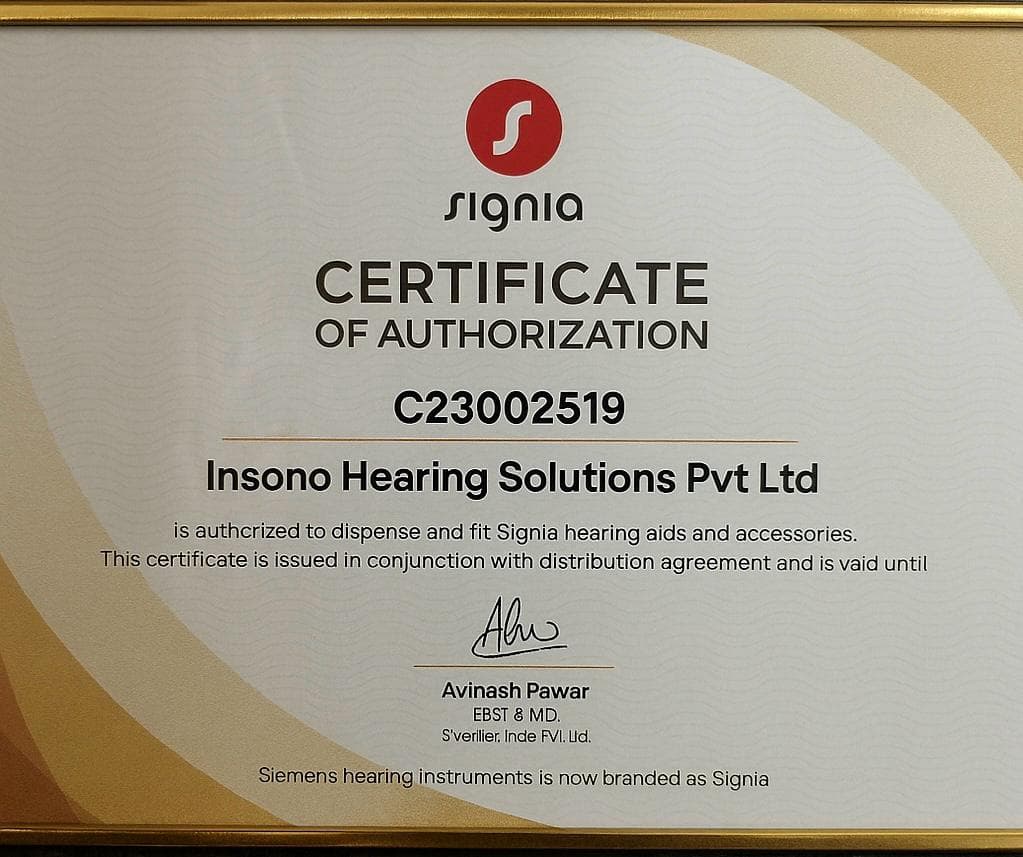
Official Certifications from Widex, Signia & Phonak
Insono Hearing Solutions is an authorized partner for leading global hearing aid brands including Widex, Signia, Phonak, and Oticon. These certifications reflect our trusted expertise and commitment to world-class hearing care in India.


Discover the Different Types of Hearing Aids for Better Hearing
Learn about the latest digital hearing aids, from behind-the-ear (BTE) to completely-in-canal (CIC) devices. Find the right style, features, and comfort level that suit your lifestyle.