Widex
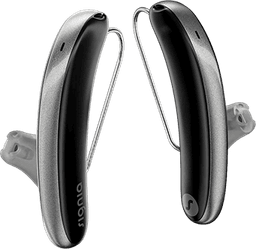
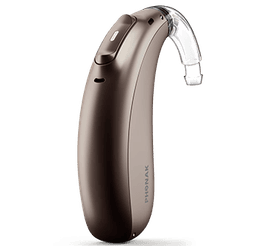
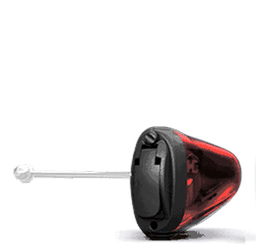
WIDEX MRR4D 330 Receiver-in-Canal (RIC) Hearing Aid
₹210,000MRP
Technology
RechargeableBluetoothTinnitus MaskingNoise CancellationAI-Powered
Style
RIC
Available Colors
BlackSandy BrownBrownGreySilverBeigeGraphiteDark ChampagnePearl White
Suitable For
Moderate Hearing LossMild Hearing Loss
✅ Free 3-day home trial·🚚 Cash on delivery·🛡️ Genuine warranty
The WIDEX MRR4D 330 Receiver-in-Canal (RIC) Hearing Aid is designed for individuals who require personalized hearing support in a compact and discreet behind-the-ear format. Its Receiver-in-Canal design places the receiver close to the ear canal while the main hearing-aid housing remains positioned behind the ear. This configuration provides a practical combination of discreet appearance, personalized amplification and comfortable everyday wearing for suitable users.
Hearing loss can influence many aspects of daily communication. A person may have difficulty understanding family members, following conversations with colleagues, participating in meetings, hearing clearly on the telephone or understanding television dialogue. These challenges can become particularly noticeable in restaurants, group conversations and other environments where background sound is present.
A professionally fitted hearing aid can help make important speech and environmental sounds more accessible. The WIDEX MRR4D 330 is designed to be programmed according to the individual's hearing assessment, lifestyle, listening requirements and comfort preferences.
The overall success of a hearing-aid fitting depends on several factors, including accurate hearing assessment, appropriate device selection, correct receiver and coupling selection, professional programming, user adaptation and regular follow-up.
Receiver-in-Canal Design
The WIDEX MRR4D 330 features a Receiver-in-Canal configuration.
In a RIC hearing aid, the main processing unit sits behind the ear while the receiver is positioned close to or inside the ear canal. A thin connection links the behind-the-ear housing to the receiver.
This arrangement allows amplified sound to be delivered close to the ear canal while maintaining a compact and relatively discreet appearance.
The appropriate receiver and ear coupling should be selected according to the user's hearing loss, ear anatomy and professional fitting requirements.
Because hearing profiles vary from person to person, the same receiver configuration may not be appropriate for every user. A hearing-care professional should determine the most suitable fitting.
Compact and Discreet Appearance
The appearance of a hearing aid is an important consideration for many users.
Some people hesitate to use hearing aids because they are concerned that the device will be highly visible. The RIC format can provide a discreet alternative because the main hearing-aid body remains behind the ear and the receiver is positioned close to the ear canal.
The WIDEX MRR4D 330 is designed for people who want hearing support while maintaining an unobtrusive appearance.
This type of design can be particularly suitable for professionals, office workers, teachers, business owners, customer-service employees and people who regularly interact with others.
A discreet hearing-aid format can also encourage consistent wearing, which is an important part of adapting to amplified sound.
Personalized Hearing-Aid Programming
Hearing loss is different for every individual.
Two people may have similar hearing-test results but experience very different listening difficulties. One person may have difficulty hearing speech in groups, while another may primarily struggle with telephone calls or television dialogue.
The WIDEX MRR4D 330 can be professionally programmed according to the user's hearing assessment.
During the fitting process, the hearing-care professional can consider the user's hearing thresholds, speech understanding, lifestyle, typical listening environments and comfort preferences.
Personalized programming is important because hearing aids are not designed simply to make every sound louder. The objective is to provide amplification that corresponds to the user's hearing requirements while maintaining comfortable listening.
Further adjustments can be made during follow-up appointments when required.
Digital Sound Processing
Modern hearing aids use digital processing to manage incoming sound according to programmed settings.
The WIDEX MRR4D 330 is designed as a digitally programmable hearing solution. Digital processing enables the device to be adjusted according to the user's individual hearing profile.
Hearing loss can affect different frequency ranges by different amounts. Some people have relatively better low-frequency hearing but greater difficulty with higher-frequency speech information.
Professional programming can take these differences into account.
The purpose of digital processing is not simply to increase loudness. A suitable fitting aims to provide useful access to important sounds while maintaining listening comfort.
Support for Speech Understanding
Speech understanding is one of the most important objectives of hearing-aid use.
When hearing loss affects speech frequencies, words may sound unclear or incomplete. This can be particularly noticeable when a speaker is at a distance, speaking softly or when several people are talking simultaneously.
The WIDEX MRR4D 330 can be professionally adjusted to provide appropriate amplification for speech based on the user's hearing assessment.
This can support communication with family members, friends, colleagues, customers and other people in everyday situations.
It is important to remember that hearing aids cannot guarantee perfect speech understanding in every environment. Background noise, room acoustics, distance, the speaker's voice and the individual's hearing condition all influence communication.
Appropriate amplification combined with practical communication strategies can provide more effective support.
Listening Comfort
Listening comfort is an important part of successful hearing-aid use.
People who have experienced hearing loss for a long time may initially find environmental sounds more noticeable when they begin using amplification.
Sounds such as footsteps, dishes, fans, traffic, clothing movement and household appliances may seem unusually prominent.
The WIDEX MRR4D 330 can be professionally adjusted according to the user's hearing requirements and comfort preferences.
New users may require an adaptation period. Gradually becoming familiar with amplified sound can help the brain adjust to the increased amount of auditory information.
If sounds remain excessively loud or uncomfortable, users should discuss their experience with the hearing-care professional.
Everyday Listening Environments
Everyday life involves constantly changing acoustic conditions.
A user may move from a quiet home environment to an office, shop, restaurant, public area or family gathering during the same day.
Each situation can create different listening challenges.
The WIDEX MRR4D 330 is intended to provide personalized hearing support across everyday environments when properly fitted.
During the hearing assessment, users should describe the situations in which they experience the greatest difficulty. This information can help the hearing-care professional understand their lifestyle and establish suitable programming.
Workplace Communication
Clear communication is important in professional environments.
Meetings, presentations, discussions with colleagues and conversations with customers can become difficult when hearing loss is present.
A professionally fitted WIDEX MRR4D 330 can provide personalized amplification to support workplace communication.
Users should explain their work environment during the hearing-aid fitting.
For example, a person working in a quiet office may have different listening requirements from someone working in a busy reception area, classroom, sales environment or customer-service setting.
Understanding these requirements helps the hearing-care professional personalize the fitting.
Telephone Conversations
Telephone communication can be challenging because the listener cannot use visual information such as facial expressions and lip movements.
People with hearing loss may miss individual words or find that voices sound unclear during calls.
A properly fitted hearing aid can provide useful amplification during telephone conversations according to the user's hearing needs.
Users can also improve telephone listening by reducing background noise and choosing a quieter location.
If telephone communication remains difficult, the user should discuss the problem during a follow-up appointment so the hearing-care professional can evaluate the fitting.
Television Listening
Television is another everyday activity that can reveal the effects of hearing loss.
Some people increase the television volume but still struggle to understand dialogue. This can make shared television viewing uncomfortable for other members of the household.
The WIDEX MRR4D 330 can provide personalized amplification that may make television speech more accessible.
The listening experience also depends on television audio quality, room acoustics, distance from the television and the user's hearing profile.
If dialogue remains difficult to understand, the hearing-care professional can review the hearing-aid fitting and make appropriate adjustments where required.
Social Communication
Social interaction is an important part of everyday life.
Restaurants, family gatherings, celebrations and group conversations can be challenging because several people may speak at the same time and background noise may be present.
The WIDEX MRR4D 330 can form part of a professionally fitted hearing solution designed to support communication in these situations.
Users can complement hearing-aid use with practical strategies such as sitting closer to the main speaker, maintaining visual contact and choosing quieter areas when possible.
These simple adjustments can make it easier to follow conversations.
Comfortable RIC Wearing Experience
The Receiver-in-Canal format is designed to provide a balance between discreet appearance and practical sound delivery.
The primary hearing-aid body remains behind the ear, while the receiver is positioned near the ear canal. This creates a compact configuration for suitable users.
Comfort depends on appropriate receiver selection, coupling and physical fit.
A properly fitted hearing aid should feel secure without causing persistent pressure or irritation.
If discomfort, pain or irritation develops, the fitting should be checked by a hearing-care professional.
Users should not modify the receiver or ear coupling themselves without professional guidance.
Adaptation for First-Time Users
First-time hearing-aid users often need time to adapt.
If the brain has become accustomed to receiving reduced sound information, newly amplified sounds may initially seem unusually noticeable.
Environmental sounds such as footsteps, clothing movement, utensils, traffic and household appliances may become more prominent.
The adaptation process varies from person to person.
Users should follow the wearing instructions provided by their hearing-care professional and report persistent difficulties during follow-up visits.
Additional fine-tuning may help if the user continues to experience excessive loudness or other listening concerns.
User-Friendly Everyday Use
A hearing aid becomes most useful when it can be comfortably integrated into everyday routines.
The WIDEX MRR4D 330 is designed in a RIC format that can be worn during normal activities when appropriately fitted.
Users should be taught how to correctly place and remove the device and how to care for the receiver and ear-coupling components.
Following the applicable manufacturer care instructions is important for maintaining reliable performance.
Maintenance and Care
Regular maintenance is important for hearing-aid performance.
Users should clean the device according to the manufacturer's recommendations and regularly inspect the receiver and ear-coupling components for wax or debris.
The hearing aid should be protected from excessive moisture, heat, cosmetics and other potentially damaging substances according to manufacturer instructions.
If sound becomes weak, distorted or intermittent, users should check the appropriate components and contact their hearing-care professional if the issue continues.
Earwax Management
Earwax is a natural part of ear health, but excessive wax can interfere with hearing-aid performance.
Because the receiver is positioned close to the ear canal, wax can affect the sound pathway or receiver.
Users should not insert sharp objects or unsuitable tools into the ear to remove wax.
If excessive earwax is suspected, professional evaluation and cleaning should be considered.
Regular hearing-care appointments can help identify wax-related problems and maintain appropriate hearing-aid performance.
Professional Hearing Assessment
A proper hearing assessment should be completed before selecting a hearing aid.
An audiologist or qualified hearing-care professional can evaluate hearing thresholds, speech understanding and the overall configuration of hearing loss.
This information helps determine whether the WIDEX MRR4D 330 is appropriate and which receiver and coupling arrangement should be selected.
A hearing aid should not be selected solely on the basis of its appearance or product category.
Professional assessment is essential for appropriate amplification and comfortable use.
Fine-Tuning and Follow-Up
The initial hearing-aid fitting is an important starting point, but follow-up is also valuable.
After using the device in different environments, users may notice situations where additional adjustments could improve their experience.
For example, speech may be clear in a quiet room but difficult to understand in a restaurant. Another user may find that certain environmental sounds are more noticeable than expected.
These observations should be discussed with the hearing-care professional.
Fine-tuning can then be performed where appropriate to address the user's individual listening experience.
Regular follow-up is especially useful during the initial adaptation period.
Key Features of WIDEX MRR4D 330
The key features and practical characteristics of the WIDEX MRR4D 330 Receiver-in-Canal Hearing Aid include:
Receiver-in-Canal hearing-aid design
Compact behind-the-ear configuration
Receiver positioned close to the ear canal
Discreet and unobtrusive appearance
Professionally programmable amplification
Digital sound processing
Personalized fitting according to hearing assessment
Support for everyday speech communication
Designed for different everyday listening environments
Suitable for workplace communication when professionally fitted
Support for telephone conversations
Support for television listening
Suitable for social communication
Adjustable according to individual hearing requirements
Professional fine-tuning and follow-up
Regular maintenance and appropriate care required
Earwax management important for maintaining sound delivery
Exact technical specifications, receiver options, coupling choices and configuration details should be confirmed for the specific WIDEX MRR4D 330 unit and applicable manufacturer documentation.
Who Can Consider the WIDEX MRR4D 330?
The WIDEX MRR4D 330 may be considered by adults who require hearing support and prefer a discreet Receiver-in-Canal format.
It may be relevant for individuals who:
Have difficulty understanding everyday conversations
Frequently ask others to repeat themselves
Struggle with group discussions
Have difficulty hearing during workplace meetings
Increase television volume
Experience difficulty with telephone conversations
Prefer a compact and discreet hearing-aid design
Want a RIC hearing solution
Need professionally personalized amplification
Want professional follow-up and fine-tuning
Final suitability should be determined through an appropriate hearing assessment.
Importance of Professional Fitting
The quality of hearing-aid fitting has an important influence on the user's overall experience.
A hearing-care professional can assess the individual's hearing loss, select an appropriate receiver and coupling, program the device and make adjustments according to the user's listening experience.
Professional fitting also provides an opportunity to discuss lifestyle requirements, communication challenges and expectations.
Follow-up appointments allow the professional to evaluate how the device performs in real-world situations and make appropriate adjustments when necessary.
Conclusion
The WIDEX MRR4D 330 Receiver-in-Canal Hearing Aid is designed as a compact, discreet and professionally customizable hearing solution for individuals who require personalized hearing support.
Its Receiver-in-Canal configuration positions the receiver close to the ear canal while keeping the main hearing-aid housing behind the ear. This provides a practical combination of discreet appearance, direct sound delivery and personalized amplification.
The device can be professionally programmed according to the user's hearing assessment, lifestyle and listening requirements. It can support everyday communication at home, in the workplace, during telephone calls, while watching television and during social activities.
For the best possible experience, the WIDEX MRR4D 330 should be selected and fitted by a qualified hearing-care professional. Proper maintenance, earwax management, gradual adaptation, fine-tuning and regular follow-up are important parts of successful hearing-aid use.
For individuals looking for a discreet Receiver-in-Canal hearing solution with professionally personalized amplification, the WIDEX MRR4D 330 can be evaluated as part of a comprehensive professional hearing-care consultation.
More Widex Hearing Aids
Kit ARRDI 440 Widex Receiver In The Canal (RIC) Hearing Aid
Kit ARRDI 330 Widex Receiver In The Canal (RIC) Hearing Aid
Kit ARRDI 220 Widex Receiver In The Canal (RIC) Hearing Aid
Kit ARRDI 110 Widex Receiver In The Canal (RIC) Hearing Aid
ARRDI 440 Widex Receiver In The Canal (RIC) Hearing Aid
ARRDI 330 Widex Receiver In The Canal (RIC) Hearing Aid
Kit ARRDI 440 Widex Receiver In The Canal (RIC) Hearing Aid
Kit ARRDI 330 Widex Receiver In The Canal (RIC) Hearing Aid
Kit ARRDI 220 Widex Receiver In The Canal (RIC) Hearing Aid
Kit ARRDI 110 Widex Receiver In The Canal (RIC) Hearing Aid
ARRDI 440 Widex Receiver In The Canal (RIC) Hearing Aid
ARRDI 330 Widex Receiver In The Canal (RIC) Hearing Aid
Frequently Asked Questions
What is a Widex hearing aid?▼
Widex is a world-leading hearing aid brand known for its advanced technology, exceptional sound quality, and reliability. The WIDEX MRR4D 330 Receiver-in-Canal (RIC) Hearing Aid is one of their premium models designed to help people with hearing loss experience clear, natural sound.
What technology does the WIDEX MRR4D 330 Receiver-in-Canal (RIC) Hearing Aid use?▼
The WIDEX MRR4D 330 Receiver-in-Canal (RIC) Hearing Aid features Rechargeable, Bluetooth, Tinnitus Masking, Noise Cancellation, AI-Powered. These technologies work together to deliver outstanding clarity, comfort, and connectivity for the wearer.
Can I connect the WIDEX MRR4D 330 Receiver-in-Canal (RIC) Hearing Aid to my phone via Bluetooth?▼
Yes, the WIDEX MRR4D 330 Receiver-in-Canal (RIC) Hearing Aid supports Bluetooth connectivity, allowing you to stream audio directly from your smartphone, TV, or other compatible devices.
What is the style and shape of the WIDEX MRR4D 330 Receiver-in-Canal (RIC) Hearing Aid?▼
The WIDEX MRR4D 330 Receiver-in-Canal (RIC) Hearing Aid is available in RIC style(s). RIC (Receiver-in-Canal) designs offer a comfortable fit with excellent sound quality.
What level of hearing loss is the WIDEX MRR4D 330 Receiver-in-Canal (RIC) Hearing Aid suitable for?▼
The WIDEX MRR4D 330 Receiver-in-Canal (RIC) Hearing Aid is recommended for individuals with Moderate Hearing Loss, Mild Hearing Loss. We advise getting a professional hearing assessment to confirm the best solution for your specific needs.
What is the price of the WIDEX MRR4D 330 Receiver-in-Canal (RIC) Hearing Aid?▼
The WIDEX MRR4D 330 Receiver-in-Canal (RIC) Hearing Aid is priced at ₹210,000. Insono Hearing offers flexible EMI options and financing. Contact us for the latest offers and to schedule a free trial.
Where can I get a free trial of the WIDEX MRR4D 330 Receiver-in-Canal (RIC) Hearing Aid in India?▼
Insono Hearing offers free trials for the WIDEX MRR4D 330 Receiver-in-Canal (RIC) Hearing Aid at our clinics. Book an appointment online or call us to experience the device before making a decision.
Official Certifications from Widex, Signia & Phonak
Insono Hearing Solutions is an authorized partner for leading global hearing aid brands including Widex, Signia, Phonak, and Oticon. These certifications reflect our trusted expertise and commitment to world-class hearing care in India.



Discover the Different Types of Hearing Aids for Better Hearing
Learn about the latest digital hearing aids, from behind-the-ear (BTE) to completely-in-canal (CIC) devices. Find the right style, features, and comfort level that suit your lifestyle.