Widex
WIDEX MRBO 220 Receiver-in-Canal (RIC) Hearing Aid
₹110,000MRP
Technology
BluetoothTinnitus MaskingNoise CancellationAI-Powered
Style
RIC
Available Colors
Sandy BrownBlackBrownGraphiteGreySilverBeigeDark ChampagnePearl White
Suitable For
Mild Hearing LossModerate Hearing Loss
✅ Free 3-day home trial·🚚 Cash on delivery·🛡️ Genuine warranty
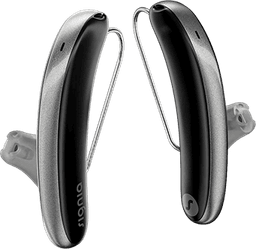
The WIDEX MRB0 220 is a Receiver-in-Canal (RIC) hearing aid designed for individuals who want a compact, discreet, and professionally programmable hearing solution for everyday communication. As part of the WIDEX MOMENT family, the MRB0 220 combines a small behind-the-ear design with digital sound processing and personalized amplification to support comfortable listening across a variety of daily environments.
The Receiver-in-Canal design places the receiver close to the ear canal while keeping the main hearing-aid housing behind the ear. This configuration allows the device to maintain a discreet appearance while providing appropriately programmed amplification based on the user's hearing assessment.
The MRB0 220 is designed to support everyday listening situations such as conversations at home, workplace communication, telephone calls, television listening, family interactions, shopping, travel, and social activities. Its digital processing platform allows the hearing-care professional to customize the hearing aid according to the user's hearing loss, listening requirements, and comfort preferences.
The WIDEX MOMENT family focuses on creating a natural and comfortable hearing experience. The MRB0 220 incorporates technologies intended to process sound efficiently while providing amplification that is individually matched to the user's hearing profile.
Receiver-in-Canal Design
The WIDEX MRB0 220 uses a Receiver-in-Canal configuration. In a RIC hearing aid, the main electronic housing sits behind the ear while the receiver is positioned in or near the ear canal.
A thin receiver wire connects the behind-the-ear housing to the receiver. This design helps keep the hearing aid compact and relatively discreet.
The receiver is an important part of the overall fitting because it delivers the processed sound to the ear. The appropriate receiver and coupling should therefore be selected by a hearing-care professional according to the user's hearing loss, ear anatomy, comfort, and amplification requirements.
When properly fitted, a RIC hearing aid can provide an unobtrusive and comfortable solution for many users.
WIDEX MOMENT Technology
The MRB0 220 belongs to the WIDEX MOMENT family and uses digital sound-processing technology to provide personalized amplification.
Digital processing allows the hearing aid to analyze incoming sounds and apply programmed adjustments according to the user's hearing profile and listening environment.
Hearing loss is different for every individual. Some people may have greater difficulty hearing high-frequency sounds, while others may require more amplification in different frequency ranges.
For this reason, professional programming is essential. The audiologist can adjust the hearing aid according to the user's audiogram and make additional changes during follow-up appointments.
PureSound and ZeroDelay
The WIDEX MOMENT platform is associated with PureSound and ZeroDelay technology, developed to provide a more immediate and natural sound experience.
Traditional digital processing can introduce a small delay between the original sound entering the hearing aid and the amplified sound being delivered to the ear. WIDEX ZeroDelay technology is designed to minimize this processing delay.
PureSound is intended to provide a natural listening experience, particularly for users who are sensitive to the sound quality of amplified speech and environmental sounds.
The perceived benefit of these technologies can vary from person to person and depends on hearing loss, fitting, receiver selection, and individual listening preferences.
Personalized Hearing-Aid Programming
The WIDEX MRB0 220 can be professionally programmed according to the user's individual hearing requirements.
A hearing assessment provides important information about the degree and configuration of hearing loss. This information allows the audiologist to determine appropriate amplification settings.
Professional fitting may include adjustments to frequency-specific amplification, loudness, comfort, speech processing, and listening programs.
Personalized programming is especially important for first-time users because they may need time to adapt to amplified sounds.
Follow-up appointments allow the hearing-care professional to modify the settings based on the user's real-world experience.
TruAcoustics
WIDEX MOMENT technology includes TruAcoustics, which supports a more individualized approach to hearing-aid fitting.
The acoustic characteristics of the ear and the selected hearing-aid coupling can influence the sound delivered to the listener. A hearing aid therefore needs to be considered as part of the complete ear-level fitting rather than as an independent electronic device.
TruAcoustics is designed to account for the acoustic characteristics of the individual fitting and support personalized amplification.
This can help the hearing-care professional create settings that are better matched to the user's specific fitting configuration.
Support for Speech Understanding
Speech understanding is a primary goal for most hearing-aid users.
The WIDEX MRB0 220 provides digitally processed amplification designed to improve access to speech according to the user's hearing profile.
In quiet environments, appropriate amplification can help users access conversational speech more comfortably. In environments with competing sounds, digital processing can help manage the overall sound environment.
However, hearing aids do not eliminate hearing loss or guarantee perfect speech understanding in every environment. Results can depend on the severity of hearing loss, distance from the speaker, room acoustics, background noise, and individual auditory processing.
Listening Comfort
A comfortable listening experience is essential for long-term hearing-aid use.
The MRB0 220 is designed to provide amplification that is individually programmed rather than simply increasing the loudness of every sound.
Professional programming helps balance audibility and comfort. Sounds that are important for communication can be amplified appropriately, while excessively loud sounds can be managed according to the hearing-aid settings.
New users may initially notice environmental sounds more strongly. This is a common part of adapting to amplification, and gradual adjustment may be recommended by the hearing-care professional.
Everyday Listening Environments
The MRB0 220 can be used across many everyday situations.
Users may wear the hearing aid while communicating with family members, speaking with colleagues, watching television, talking on the telephone, shopping, travelling, or participating in social activities.
Different acoustic environments present different challenges. A quiet bedroom, office, restaurant, public area, and outdoor environment do not sound the same.
The hearing-care professional can configure appropriate listening programs and settings according to the environments that are most important to the user.
Workplace Communication
Clear communication can be important for professionals and office users.
Meetings, telephone calls, conversations with colleagues, customer interactions, and presentations may all require reliable access to speech.
The MRB0 220 can be programmed according to the user's workplace hearing requirements.
For example, users who regularly participate in meetings can discuss their specific communication challenges with the audiologist. The hearing professional can then consider appropriate amplification and listening-program settings.
Good communication practices can also complement hearing-aid technology. Sitting closer to the speaker, facing the person speaking, and reducing unnecessary background noise can improve communication.
Telephone Listening
Telephone communication can be difficult for people with hearing loss because visual information is unavailable.
The WIDEX MOMENT platform provides telephone-related listening options depending on the specific device configuration, program settings, and compatible accessories.
The hearing-care professional can determine the most appropriate telephone solution based on the user's hearing profile and daily communication requirements.
Users should discuss telephone difficulties during their hearing-aid fitting so that the device can be configured appropriately.
Television Listening
Television listening is one of the most common everyday hearing challenges.
People with hearing loss may increase television volume because dialogue is difficult to follow. This can sometimes make the television uncomfortable for other people in the room.
The MRB0 220 provides professionally programmed amplification that can help users access television speech and environmental sounds.
Compatible WIDEX accessories may also provide additional listening solutions depending on the user's specific configuration.
A hearing-care professional can recommend an appropriate setup according to the user's hearing needs and television usage.
Social Communication
Social communication is an important part of everyday life.
Family gatherings, meetings, restaurants, community activities, and conversations with friends can involve several speakers and background sounds.
The MRB0 220 is designed to provide digitally processed amplification that supports access to speech and environmental sounds.
Users can also improve communication by facing the speaker, choosing quieter seating areas, reducing unnecessary background noise, and maintaining a reasonable distance from the person speaking.
Digital Sound Processing
The hearing aid uses digital processing to manage incoming acoustic information.
Digital hearing-aid processing allows the device to apply programmed amplification and sound-management strategies in real time.
This can help the hearing-care professional create different settings for different listening environments.
The purpose of digital processing is not simply to increase volume. Instead, the system is designed to provide more appropriate amplification according to the user's hearing requirements.
Noise Management
Background noise can make speech more difficult to understand, especially for individuals with hearing loss.
The MRB0 220 uses digital sound processing to help manage sounds in the surrounding environment and support listening comfort.
Noise-management features can be particularly useful in busy environments such as offices, restaurants, shops, public transportation, and social gatherings.
The hearing aid does not remove all background sound. Maintaining awareness of environmental sounds is important for communication and safety.
Professional programming is therefore important to achieve an appropriate balance between speech audibility and environmental awareness.
Wind Noise Management
Outdoor wind can create unwanted noise around hearing-aid microphones.
WIDEX MOMENT technology includes wind-management features designed to help reduce the impact of wind-related noise in suitable listening situations.
This can be useful for users who regularly spend time outdoors, travel, walk, or participate in outdoor activities.
As with other sound-processing features, the actual experience depends on the user's environment and hearing-aid configuration.
High-Frequency Amplification
High-frequency information can play an important role in speech clarity.
Certain consonant sounds occur primarily in the higher-frequency range. Individuals with high-frequency hearing loss may therefore have difficulty distinguishing similar-sounding words.
The MRB0 220 can be programmed according to the user's audiogram so that appropriate amplification is provided in the required frequency ranges.
The amount of high-frequency amplification should be professionally selected because excessive amplification may cause discomfort for some users.
Adaptation for New Users
First-time hearing-aid users may require an adjustment period.
When hearing has been reduced for an extended period, the brain can become accustomed to a quieter auditory environment. After amplification begins, sounds such as footsteps, dishes, paper, fans, traffic, and background conversations may suddenly become more noticeable.
The hearing-care professional can use an appropriate adaptation strategy to help the user become accustomed to amplified sound.
Regular use and follow-up appointments can help identify which sounds need additional adjustment.
Compact and Discreet Appearance
The RIC format is one of the key design characteristics of the MRB0 220.
The main housing sits behind the ear while the receiver is positioned close to the ear canal. The receiver wire is thin and designed to maintain a discreet connection.
This can make the hearing aid less noticeable compared with some larger behind-the-ear designs.
Actual visibility depends on the user's ear anatomy, hairstyle, receiver, ear-tip, and selected fitting configuration.
Battery Configuration
The MRB0 RIC 10 configuration uses a size-10 disposable hearing-aid battery.
Battery life depends on factors such as daily wearing time, amplification level, listening environment, and use of compatible wireless accessories.
Users should follow the manufacturer's instructions for battery replacement and storage and should keep spare batteries available when necessary.
Because size-10 batteries are small, they should be handled carefully and kept away from children and pets.
Moisture and Daily Protection
The MRB0 series is designed with protection against dust and moisture under standardized conditions.
However, hearing aids are electronic devices and should not be unnecessarily exposed to water or excessive humidity.
Users should remove the hearing aid before bathing or swimming unless specific manufacturer instructions indicate otherwise.
The hearing aid should also be protected from hairspray, cosmetics, excessive sweat, and other substances that may affect the device.
Proper storage and regular cleaning are important parts of hearing-aid care.
Professional Fine-Tuning
A hearing aid should not be considered completely finished after the initial fitting.
The user's listening experience may change as they become accustomed to amplification. Some sounds may initially seem too prominent, while others may require additional adjustment.
Follow-up visits allow the audiologist to fine-tune the hearing aid according to the user's feedback.
Fine-tuning may involve changes to amplification, comfort, listening programs, and other available settings.
Maintenance and Care
Regular maintenance can help preserve the performance of the MRB0 220.
Users should inspect the ear-tip and receiver area regularly for earwax or debris. Earwax accumulation can affect sound output and may cause reduced performance or feedback.
The hearing-aid housing and microphone areas should be cleaned according to manufacturer recommendations.
Sharp objects should not be inserted into microphone openings or the receiver.
If the hearing aid produces weak sound, distortion, intermittent output, excessive feedback, or unusual noise, professional inspection is recommended.
Key Features of WIDEX MRB0 220
The key features of the WIDEX MRB0 220 include:
Receiver-in-Canal RIC design
WIDEX MOMENT technology platform
Compact behind-the-ear configuration
Discreet appearance
Digital sound processing
WIDEX PureSound technology
ZeroDelay technology
TruAcoustics
Personalized amplification
Professional hearing-aid programming
Professional fine-tuning
Speech-focused sound processing
Listening comfort support
Noise-management capabilities
Wind-noise management
High-frequency amplification support
Adaptation support for new users
Multiple listening-program possibilities
Telephone listening support depending on configuration
Music listening support depending on configuration
Compatibility with selected WIDEX wireless and assistive listening solutions
Size-10 battery configuration for the MRB0 RIC 10 model
Moisture and dust protection
Suitable for everyday communication
Designed for individualized professional fitting
The exact functions available to an individual user can vary according to receiver selection, ear coupling, programming, accessories, regional configuration, and professional fitting.
Who Can Consider the WIDEX MRB0 220?
The WIDEX MRB0 220 can be considered by adults who want a compact and discreet RIC hearing aid with professionally programmed digital amplification.
It may be appropriate for users who:
Have difficulty following conversations
Want a discreet hearing-aid design
Prefer a RIC configuration
Need personalized amplification
Frequently communicate at work
Have difficulty hearing television
Experience difficulty understanding speech in groups
Regularly use a telephone
Participate in social activities
Want professional fine-tuning
Prefer a small behind-the-ear hearing solution
Final suitability should always be determined following a comprehensive hearing assessment.
Importance of Professional Fitting
A hearing aid works best when it is correctly matched to the user's hearing profile.
Before selecting the MRB0 220, the hearing-care professional should assess the user's hearing and determine whether the device and selected receiver are appropriate.
The professional can then program the hearing aid according to the audiogram and make adjustments based on the user's listening experience.
Correct receiver selection, ear coupling, insertion, programming, and follow-up are all important parts of the fitting process.
Conclusion
The WIDEX MRB0 220 is a compact Receiver-in-Canal hearing aid designed to provide personalized digital amplification and comfortable everyday listening. As part of the WIDEX MOMENT family, it combines a discreet RIC design with sound-processing technologies intended to support speech access, listening comfort, and a natural hearing experience.
The receiver-in-canal configuration keeps the main hearing-aid housing behind the ear while positioning the receiver close to the ear canal. This helps create a compact and discreet appearance while allowing the device to be professionally configured for the user's individual hearing requirements.
WIDEX MOMENT technologies such as PureSound, ZeroDelay, TruAcoustics, personalized programming, environmental sound processing, noise management, and adaptation support contribute to a flexible hearing solution for everyday use.
The success of a hearing aid depends not only on the device itself but also on accurate hearing assessment, appropriate receiver selection, professional programming, user adaptation, and regular follow-up.
For individuals looking for a discreet RIC hearing aid with WIDEX MOMENT technology and personalized professional fitting, the WIDEX MRB0 220 can be considered as part of an individualized hearing-care solution.
More Widex Hearing Aids
Kit ARRDI 440 Widex Receiver In The Canal (RIC) Hearing Aid
Kit ARRDI 330 Widex Receiver In The Canal (RIC) Hearing Aid
Kit ARRDI 220 Widex Receiver In The Canal (RIC) Hearing Aid
Kit ARRDI 110 Widex Receiver In The Canal (RIC) Hearing Aid
ARRDI 440 Widex Receiver In The Canal (RIC) Hearing Aid
ARRDI 330 Widex Receiver In The Canal (RIC) Hearing Aid
Kit ARRDI 440 Widex Receiver In The Canal (RIC) Hearing Aid
Kit ARRDI 330 Widex Receiver In The Canal (RIC) Hearing Aid
Kit ARRDI 220 Widex Receiver In The Canal (RIC) Hearing Aid
Kit ARRDI 110 Widex Receiver In The Canal (RIC) Hearing Aid
ARRDI 440 Widex Receiver In The Canal (RIC) Hearing Aid
ARRDI 330 Widex Receiver In The Canal (RIC) Hearing Aid
Frequently Asked Questions
What is a Widex hearing aid?▼
Widex is a world-leading hearing aid brand known for its advanced technology, exceptional sound quality, and reliability. The WIDEX MRBO 220 Receiver-in-Canal (RIC) Hearing Aid is one of their premium models designed to help people with hearing loss experience clear, natural sound.
What technology does the WIDEX MRBO 220 Receiver-in-Canal (RIC) Hearing Aid use?▼
The WIDEX MRBO 220 Receiver-in-Canal (RIC) Hearing Aid features Bluetooth, Tinnitus Masking, Noise Cancellation, AI-Powered. These technologies work together to deliver outstanding clarity, comfort, and connectivity for the wearer.
Can I connect the WIDEX MRBO 220 Receiver-in-Canal (RIC) Hearing Aid to my phone via Bluetooth?▼
Yes, the WIDEX MRBO 220 Receiver-in-Canal (RIC) Hearing Aid supports Bluetooth connectivity, allowing you to stream audio directly from your smartphone, TV, or other compatible devices.
What is the style and shape of the WIDEX MRBO 220 Receiver-in-Canal (RIC) Hearing Aid?▼
The WIDEX MRBO 220 Receiver-in-Canal (RIC) Hearing Aid is available in RIC style(s). RIC (Receiver-in-Canal) designs offer a comfortable fit with excellent sound quality.
What level of hearing loss is the WIDEX MRBO 220 Receiver-in-Canal (RIC) Hearing Aid suitable for?▼
The WIDEX MRBO 220 Receiver-in-Canal (RIC) Hearing Aid is recommended for individuals with Mild Hearing Loss, Moderate Hearing Loss. We advise getting a professional hearing assessment to confirm the best solution for your specific needs.
What is the price of the WIDEX MRBO 220 Receiver-in-Canal (RIC) Hearing Aid?▼
The WIDEX MRBO 220 Receiver-in-Canal (RIC) Hearing Aid is priced at ₹110,000. Insono Hearing offers flexible EMI options and financing. Contact us for the latest offers and to schedule a free trial.
Where can I get a free trial of the WIDEX MRBO 220 Receiver-in-Canal (RIC) Hearing Aid in India?▼
Insono Hearing offers free trials for the WIDEX MRBO 220 Receiver-in-Canal (RIC) Hearing Aid at our clinics. Book an appointment online or call us to experience the device before making a decision.
Official Certifications from Widex, Signia & Phonak
Insono Hearing Solutions is an authorized partner for leading global hearing aid brands including Widex, Signia, Phonak, and Oticon. These certifications reflect our trusted expertise and commitment to world-class hearing care in India.



Discover the Different Types of Hearing Aids for Better Hearing
Learn about the latest digital hearing aids, from behind-the-ear (BTE) to completely-in-canal (CIC) devices. Find the right style, features, and comfort level that suit your lifestyle.