Widex
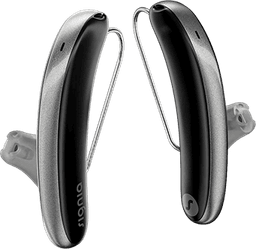
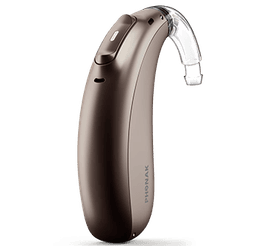
WIDEX MBB2 110 Behind The Ear (BTE) Hearing Aid
₹70,000MRP
Technology
RechargeableBluetoothTinnitus MaskingNoise CancellationAI-Powered
Style
BTE
Available Colors
BlackSandy BrownBrownGraphiteGreyBeigeSilverDark ChampagneCosmic BluePearl WhiteFine GoldDeep BrownBlack Gloss
Suitable For
Mild Hearing LossModerate Hearing Loss
✅ Free 3-day home trial·🚚 Cash on delivery·🛡️ Genuine warranty
WIDEX MBB2 110 Behind The Ear (BTE) Hearing Aid
Reliable Digital Hearing Support with a Practical Behind-The-Ear Design
The WIDEX MBB2 110 Behind The Ear (BTE) Hearing Aid is a practical digital hearing solution designed for individuals who need professionally customized amplification in everyday listening situations. Combining a traditional behind-the-ear form factor with digital sound processing, the MBB2 110 is designed to provide access to speech and environmental sounds while maintaining comfortable listening.
Hearing loss can affect communication at home, in the workplace, on the telephone, while watching television and during social interactions. A suitable hearing aid can help provide better access to important sounds by amplifying them according to an individual's hearing profile.
The WIDEX MBB2 110 is designed around this principle. Rather than simply increasing the volume of every sound, its digital processing system can be programmed according to the wearer's hearing loss and adjusted by a hearing-care professional.
The 110 technology level provides the core digital hearing features of the MBB2 platform in a straightforward BTE configuration. It can be considered by users who want a dependable behind-the-ear hearing aid for everyday communication and who may not require all of the additional processing options available at higher technology levels.
The final performance of any hearing aid depends on appropriate selection, professional fitting, programming, physical coupling and regular follow-up.
Key Features of WIDEX MBB2 110
Widex MBB2 BTE hearing-aid platform
110 technology level
Behind-The-Ear hearing-aid design
Digital sound processing
Personalized amplification
Professional audiological fitting
Environmental sound processing
Speech-focused amplification
Background-noise management
Feedback management
Wind-noise management
Directional microphone processing according to configuration
Configurable listening programs
Compatible wireless functionality depending on configuration
Compatibility with selected Widex accessories
Smartphone control on compatible configurations
Flexible BTE fitting options
Easy-to-handle behind-the-ear design
Professional fine-tuning
Designed for everyday hearing support
Behind-The-Ear Hearing Aid Design
The WIDEX MBB2 110 uses a Behind-The-Ear, commonly called BTE, design.
In this style of hearing aid, the main electronic components are contained in a housing that sits behind the ear. Sound is then delivered toward the ear through an appropriate coupling system.
BTE hearing aids are widely used because they offer considerable flexibility when fitting different types and degrees of hearing loss.
Depending on the user's requirements, the hearing-care professional can select an appropriate tubing, earmould or other coupling configuration.
The BTE format can also be convenient for users who prefer a hearing aid that is relatively easy to locate and handle.
The physical design and coupling should be selected according to the individual's ear anatomy, hearing loss, amplification requirements and comfort preferences.
110 Technology Level
The 110 technology level is designed to provide the essential digital hearing capabilities of the MBB2 platform.
Different hearing-aid technology levels provide different combinations of processing capabilities and automatic sound-management features.
The 110 level is intended for users who want the benefits of digital hearing technology while maintaining a straightforward approach to everyday hearing support.
It can be appropriate for users whose primary listening environments are relatively predictable or who do not necessarily require the additional processing flexibility associated with higher technology levels.
However, the appropriate technology level should always be determined according to the user's hearing loss, lifestyle, listening requirements and budget.
Digital Sound Processing
Digital sound processing is an important part of modern hearing-aid technology.
When sound enters the MBB2 110, its microphones capture the surrounding acoustic information. The hearing aid processes this information digitally before delivering the appropriately amplified signal to the ear.
The processing system can apply different strategies depending on the incoming sound and the programmed settings.
Speech, background noise and other environmental sounds do not necessarily need to be amplified in exactly the same way.
Digital processing allows the hearing aid to provide more controlled amplification based on the user's hearing profile.
This can contribute to a more comfortable listening experience compared with simply increasing overall volume.
Speech-Focused Hearing Support
For many hearing-aid users, being able to follow conversations is the primary objective.
The MBB2 110 is designed to provide appropriate amplification based on the user's hearing-test results.
When correctly fitted, the device can help provide access to speech during everyday communication.
It can be used in situations such as:
Conversations with family
One-to-one communication
Workplace discussions
Meetings
Telephone conversations
Shopping
Social interactions
Outdoor conversations
Television listening
Everyday household activities
Actual speech understanding varies between individuals.
A hearing aid does not restore hearing to normal and cannot guarantee that every word will be understood in every environment.
Factors such as hearing-loss severity, speech discrimination, background noise, distance from the speaker, room acoustics and fitting accuracy can all affect results.
Environmental Sound Processing
Everyday life involves a wide range of environmental sounds.
Some sounds are important for communication and awareness, while others may be distracting.
The MBB2 110 is designed to process environmental sounds according to its programmed settings.
The aim is to provide useful amplification without making all sounds unnecessarily loud.
For example, a quiet conversation requires different amplification behavior from a busy outdoor environment.
Automatic processing can help the hearing aid respond to changes in the acoustic environment while maintaining the settings established by the hearing-care professional.
Background-Noise Management
Background noise can make listening difficult, particularly for individuals with hearing loss.
Common sources include:
Traffic
Fans
Air conditioners
Household appliances
Crowds
Office activity
Restaurant noise
Multiple conversations
The MBB2 110 uses digital processing strategies designed to manage unwanted background sound.
The objective is not to eliminate all environmental noise. Complete removal of background sound would also remove useful information about the surrounding environment.
Instead, the hearing aid is designed to provide a more balanced listening experience by managing competing sounds while maintaining access to important speech and environmental information.
Directional Microphone Processing
Microphones are responsible for capturing the sounds surrounding the wearer.
Directional microphone processing can help emphasize sounds from a particular direction while reducing the influence of certain competing sounds.
This can be useful during face-to-face communication.
For example, when the wearer is facing a person who is speaking, directional processing may help prioritize sound coming from the front.
The exact microphone behavior depends on the particular configuration, program and listening environment.
Directional processing should be considered one part of the overall hearing-aid system rather than a guarantee of perfect speech understanding in noise.
Feedback Management
Feedback is a familiar issue for many hearing-aid users.
It is generally experienced as a whistling or squealing sound and can occur when amplified sound escapes from the ear and is picked up again by the hearing-aid microphone.
The MBB2 110 includes feedback-management technology designed to help detect and reduce unwanted feedback.
This allows the hearing-care professional to provide appropriate amplification while managing the risk of acoustic feedback.
Physical fitting remains important.
If an earmould, tubing or other coupling component does not fit correctly, feedback can still occur.
Persistent whistling should therefore be checked by a hearing-care professional.
Wind-Noise Management
Wind can create unwanted microphone noise when a person is outdoors.
This can be noticeable during walking, travelling or other outdoor activities.
The MBB2 110 incorporates sound-processing strategies designed to manage the effect of wind noise.
This can help make outdoor listening more comfortable while maintaining awareness of useful environmental sounds.
Actual performance will depend on the strength and direction of the wind, microphone configuration and other environmental factors.
Personalized Hearing-Aid Fitting
Every person's hearing loss is unique.
Even people with similar audiograms may have different communication needs.
The MBB2 110 can be programmed according to the user's individual hearing profile.
During fitting, an audiologist may consider:
Hearing thresholds
Frequency-specific hearing loss
Speech understanding
Lifestyle
Listening environments
Communication requirements
Comfort preferences
Ear anatomy
Coupling type
The hearing aid can then be adjusted to provide appropriate amplification.
Fine-tuning may be required after the initial fitting because the user's experience in real-world environments can reveal preferences that are not obvious during the first appointment.
Listening Programs
Different environments can require different hearing settings.
Depending on the exact configuration and professional fitting software, listening programs can be used to provide different sound-processing approaches.
Possible program applications can include:
Everyday listening
Quiet environments
Speech-focused situations
Noisy environments
Music
Personalized listening preferences
The exact number and availability of programs depend on the specific configuration.
The audiologist can determine which programs are relevant to the user's lifestyle.
Wireless Connectivity
Depending on the exact MBB2 110 configuration, compatible wireless technology and Widex accessories can provide additional functionality.
Wireless connectivity can allow the hearing-aid system to communicate with compatible external devices.
Depending on the specific model and accessory, this can include functions related to:
Smartphone communication
Television listening
Remote control
Audio streaming
External microphones
Other compatible accessories
Connectivity varies according to the exact device configuration, smartphone model, operating system and accessory.
The exact wireless capabilities should therefore be confirmed before purchase.
Smartphone Control
Compatible Widex hearing-aid configurations can provide smartphone-based control through the relevant Widex application.
This can provide users with convenient access to selected hearing settings.
Smartphone control may be useful when the user wants to make an adjustment without physically manipulating the hearing aid.
For example, the wearer may want to change a setting while attending a meeting, travelling or participating in a social gathering.
Application features vary according to the specific hearing-aid model and compatible smartphone.
Television Listening
Television listening can be challenging when dialogue is mixed with music, sound effects and other background sounds.
Compatible Widex accessories can provide additional options for television listening through the hearing-aid system.
This can help users access television audio more conveniently, depending on the selected configuration.
The exact television accessory and connection method should be confirmed with the hearing-care professional.
Comfortable Behind-The-Ear Wearing
The MBB2 110 places its primary housing behind the ear.
Depending on the selected coupling system, the ear canal can remain relatively open.
Comfort depends on several factors, including:
Ear anatomy
Tubing length
Earmould shape
Coupling selection
Hearing-aid positioning
Amplification level
Individual sensitivity
A hearing-care professional can adjust the fitting if the user experiences physical discomfort or difficulty keeping the device securely positioned.
Flexible BTE Fitting
One of the advantages of the BTE format is its flexibility.
Different users can require different coupling arrangements.
An audiologist can select the appropriate option based on hearing loss, ear anatomy and comfort.
A properly selected coupling can also contribute to appropriate sound delivery and help reduce the likelihood of feedback.
This makes BTE devices practical for a broad range of hearing-aid users.
Everyday Durability
Hearing aids are exposed to everyday conditions such as perspiration, humidity, dust and temperature changes.
The MBB2 110 is designed for regular daily use.
However, users should still avoid unnecessary exposure to water, excessive humidity, extreme heat and cosmetic products.
Following the manufacturer's care and maintenance recommendations can help maintain reliable operation.
Battery and Power
The exact battery and power configuration of the WIDEX MBB2 110 should be verified for the particular product version being supplied.
Battery consumption depends on factors such as:
Daily wearing time
Degree of hearing loss
Amplification level
Wireless activity
Streaming
Programming
Environmental conditions
Users should follow the manufacturer's recommendations regarding the correct battery type, installation and replacement.
Hearing Support at Home
The MBB2 110 can provide useful hearing support during everyday household communication.
Family conversations can occur from different distances and directions.
A professionally fitted hearing aid can help provide better access to speech and environmental sounds in these situations.
Users should also consider communication strategies such as reducing unnecessary background noise and facing the person speaking.
Workplace Communication
For working users, hearing can be important during meetings, conversations and telephone communication.
The MBB2 110 can provide appropriately programmed amplification for suitable workplace environments.
Users working in particularly noisy or acoustically challenging workplaces should inform their audiologist about these requirements so the hearing aid can be configured accordingly.
Social and Outdoor Activities
Social situations can involve multiple voices, background music and other competing sounds.
The MBB2 110's sound-processing features can help manage some of these listening challenges.
Outdoor environments can introduce wind and traffic noise.
Wind-noise management and environmental sound processing can contribute to more comfortable listening in suitable outdoor situations.
However, no hearing aid can eliminate every challenge created by complex acoustic environments.
Who Can Consider WIDEX MBB2 110?
The MBB2 110 may be considered by users who:
Need a professionally fitted BTE hearing aid
Want digital sound processing
Prefer a traditional behind-the-ear design
Require personalized amplification
Want everyday speech support
Regularly use their hearing aid at home or work
Want basic environmental sound management
Prefer a straightforward hearing-aid technology platform
Want access to compatible Widex accessories
May benefit from compatible wireless functionality
The final choice should always be based on a hearing assessment and professional recommendation.
Advantages of the BTE Design
Easy Handling
The BTE housing can be easier for some users to handle compared with very small hearing-aid styles.
Flexible Fitting
Different coupling options can be selected according to hearing loss and ear anatomy.
Professional Customization
The hearing aid can be programmed and fine-tuned according to the user's hearing test.
Practical Everyday Design
The behind-the-ear format provides a familiar and practical hearing solution for many users.
Accessory Options
Compatible accessories can extend functionality depending on the exact device configuration.
Hearing-Aid Trial
A hearing-aid trial allows users to evaluate the MBB2 110 in their normal environment.
During a trial, users should pay attention to:
Speech clarity
Listening comfort
Television understanding
Telephone communication
Family conversations
Workplace listening
Outdoor listening
Background-noise comfort
If the sound is too loud, too soft, unclear or uncomfortable, the audiologist can make appropriate adjustments.
Adaptation Period
People who have experienced hearing loss for an extended period may initially notice more environmental sounds after starting hearing-aid use.
Sounds that were previously difficult to hear may become noticeable again.
This can include footsteps, fans, paper movement, dishes, traffic and other everyday sounds.
The brain may need time to become accustomed to these sounds.
Consistent use and professional follow-up can support the adaptation process.
If uncomfortable sounds continue, professional fine-tuning should be considered.
Maintenance and Care
To maintain the MBB2 110:
Clean the device according to manufacturer instructions.
Keep microphone openings free from dust and debris.
Protect the hearing aid from excessive moisture.
Store it safely when not in use.
Replace batteries or other consumable components as required.
Avoid direct exposure to hairspray and cosmetics.
Keep the device away from excessive heat.
Check tubing and earmould components regularly.
Arrange professional cleaning and servicing when required.
Contact the hearing-care professional if the sound changes unexpectedly.
Importance of Professional Fitting
The performance of a hearing aid depends heavily on how accurately it is fitted.
A professional fitting generally involves:
Hearing assessment
Hearing-aid selection
Coupling selection
Programming
Verification
User education
Trial
Fine-tuning
Follow-up
The audiologist can determine whether the MBB2 110 is suitable or whether another model or technology level would better match the user's needs.
WIDEX MBB2 110 Compared with MBB2 220, 330 and 440
The MBB2 family is available at different technology levels.
The MBB2 110 provides the core digital hearing features in the range.
The MBB2 220 provides additional processing flexibility compared with the 110 level.
The MBB2 330 provides a higher level of sound-processing capabilities and environmental management.
The MBB2 440 represents a premium technology level with the most extensive processing capabilities within the range.
The higher technology level is not automatically the correct choice for every user. Hearing loss, lifestyle, listening environments, communication needs and budget should all be considered.
An audiologist can recommend the appropriate technology level following a hearing evaluation.
Key Specifications at a Glance
Feature WIDEX MBB2 110
Brand Widex
Product Series MBB2
Technology Level 110
Hearing Aid Style Behind The Ear (BTE)
Sound Processing Digital
Environmental Processing Yes
Noise Management Yes
Feedback Management Yes
Wind Noise Management Yes
Directional Microphone Processing Configuration dependent
Listening Programs Configuration dependent
Wireless Connectivity Configuration dependent
Smartphone Control Compatible configurations
Accessories Compatible Widex accessories
Fitting Professional audiological fitting
Primary Purpose Everyday hearing support
Selection Based on hearing assessment and individual requirements
Final Conclusion
The WIDEX MBB2 110 Behind The Ear (BTE) Hearing Aid is designed as a practical digital hearing solution for users who want professionally customized amplification in an easy-to-handle behind-the-ear format.
The device combines digital sound processing with features intended to manage environmental noise, feedback and wind-related sound. Its BTE design provides flexibility in fitting and can accommodate different coupling configurations according to the user's hearing loss and ear anatomy.
The 110 technology level provides the core functionality of the MBB2 family and can be considered by users whose hearing requirements can be appropriately addressed with this level of processing.
The device can support everyday communication at home, work and in suitable social environments. Compatible wireless and accessory options may provide additional functionality, depending on the exact product configuration.
A hearing aid should never be selected based solely on its technology level or price. The individual's hearing loss, communication requirements, lifestyle, comfort preferences and listening environments should all be considered.
Professional hearing assessment, accurate programming, appropriate physical fitting and follow-up adjustments are essential for achieving the best possible experience.
For users looking for a dependable BTE hearing solution with digital sound processing and personalized amplification, the WIDEX MBB2 110 offers a practical platform for everyday hearing support.
Before purchase, the exact technical specifications, battery configuration, connectivity features and accessory compatibility should be confirmed for the specific MBB2 110 unit being supplied.
More Widex Hearing Aids
Kit ARRDI 440 Widex Receiver In The Canal (RIC) Hearing Aid
Kit ARRDI 330 Widex Receiver In The Canal (RIC) Hearing Aid
Kit ARRDI 220 Widex Receiver In The Canal (RIC) Hearing Aid
Kit ARRDI 110 Widex Receiver In The Canal (RIC) Hearing Aid
ARRDI 440 Widex Receiver In The Canal (RIC) Hearing Aid
ARRDI 330 Widex Receiver In The Canal (RIC) Hearing Aid
Kit ARRDI 440 Widex Receiver In The Canal (RIC) Hearing Aid
Kit ARRDI 330 Widex Receiver In The Canal (RIC) Hearing Aid
Kit ARRDI 220 Widex Receiver In The Canal (RIC) Hearing Aid
Kit ARRDI 110 Widex Receiver In The Canal (RIC) Hearing Aid
ARRDI 440 Widex Receiver In The Canal (RIC) Hearing Aid
ARRDI 330 Widex Receiver In The Canal (RIC) Hearing Aid
Frequently Asked Questions
What is a Widex hearing aid?▼
Widex is a world-leading hearing aid brand known for its advanced technology, exceptional sound quality, and reliability. The WIDEX MBB2 110 Behind The Ear (BTE) Hearing Aid is one of their premium models designed to help people with hearing loss experience clear, natural sound.
What technology does the WIDEX MBB2 110 Behind The Ear (BTE) Hearing Aid use?▼
The WIDEX MBB2 110 Behind The Ear (BTE) Hearing Aid features Rechargeable, Bluetooth, Tinnitus Masking, Noise Cancellation, AI-Powered. These technologies work together to deliver outstanding clarity, comfort, and connectivity for the wearer.
Can I connect the WIDEX MBB2 110 Behind The Ear (BTE) Hearing Aid to my phone via Bluetooth?▼
Yes, the WIDEX MBB2 110 Behind The Ear (BTE) Hearing Aid supports Bluetooth connectivity, allowing you to stream audio directly from your smartphone, TV, or other compatible devices.
What is the style and shape of the WIDEX MBB2 110 Behind The Ear (BTE) Hearing Aid?▼
The WIDEX MBB2 110 Behind The Ear (BTE) Hearing Aid is available in BTE style(s). This style balances comfort, discretion, and performance.
What level of hearing loss is the WIDEX MBB2 110 Behind The Ear (BTE) Hearing Aid suitable for?▼
The WIDEX MBB2 110 Behind The Ear (BTE) Hearing Aid is recommended for individuals with Mild Hearing Loss, Moderate Hearing Loss. We advise getting a professional hearing assessment to confirm the best solution for your specific needs.
What is the price of the WIDEX MBB2 110 Behind The Ear (BTE) Hearing Aid?▼
The WIDEX MBB2 110 Behind The Ear (BTE) Hearing Aid is priced at ₹70,000. Insono Hearing offers flexible EMI options and financing. Contact us for the latest offers and to schedule a free trial.
Where can I get a free trial of the WIDEX MBB2 110 Behind The Ear (BTE) Hearing Aid in India?▼
Insono Hearing offers free trials for the WIDEX MBB2 110 Behind The Ear (BTE) Hearing Aid at our clinics. Book an appointment online or call us to experience the device before making a decision.
Official Certifications from Widex, Signia & Phonak
Insono Hearing Solutions is an authorized partner for leading global hearing aid brands including Widex, Signia, Phonak, and Oticon. These certifications reflect our trusted expertise and commitment to world-class hearing care in India.



Discover the Different Types of Hearing Aids for Better Hearing
Learn about the latest digital hearing aids, from behind-the-ear (BTE) to completely-in-canal (CIC) devices. Find the right style, features, and comfort level that suit your lifestyle.