Senior Audiologist • 6/10/2026

Choosing the right hearing aid can significantly improve your quality of life, communication abilities, and overall confidence. With numerous hearing aid brands, styles, and technologies available in 2026, finding the perfect device can feel overwhelming.
Whether you’re experiencing mild hearing loss, struggling to hear conversations in noisy environments, or looking for advanced Bluetooth-enabled hearing aids, this expert buying guide will help you understand your options and make an informed decision.
In this guide, we’ll cover hearing aid types, features, price ranges, top brands, and key factors to consider before purchasing.
| Model | Style | MRP(kit price) |
|---|---|---|
| Pure Charge&Go BCT 7IX | RIC | ₹7,30,000 |
| Pure Charge&Go 7IX | RIC | ₹5,40,000 |
| Styletto 7IX | Slim RIC | ₹7,24,990 |
| Silk Charge&Go 7IX | Invisible CIC | ₹5,18,000 |
| Motion Charge&Go P 7IX | BTE | ₹6,48,000 |
| Model | Style | MRP(kit price) |
|---|---|---|
| Audéo Sphere I90-R | RIC | ₹8,75,000 |
| Audéo I90-R | RIC | ₹6,70,000 |
| Virto I90-R ITC | ITC | ₹6,30,000 |
| Virto I90 NW CIC | CIC | ₹3,00,000 |
| Audéo Sphere I70-R | RIC | ₹5,90,000 |
| Model | Style | MRP(per ear) |
|---|---|---|
| Oticon Intent 1 miniRITE R | RIC | ₹4,25,000 |
| Oticon Intent 2 miniRITE R | RIC | ₹3,90,000 |
| Oticon Real 1 miniRITE R | RIC | ₹3,50,000 |
| Oticon Own 1 IIC | IIC | ₹2,50,000 |
| Oticon Own 1 CIC | CIC | ₹2,50,000 |
| Model | Style | MRP(kit price) |
|---|---|---|
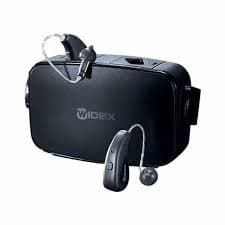
| Widex Allure 440 RIC | RIC | ₹4,80,000 |
| Widex SmartRIC 440 | RIC | ₹7,00,000 |
| Widex SmartRIC 330 | RIC | ₹4,45,000 |
| Widex Moment Sheer 440 | RIC | ₹4,20,000 |
| Widex Moment CIC | CIC | ₹2,40,000 |
| Model | Style | MRP(per ear) |
|---|---|---|
| Starkey Edge AI 24 RIC RT | RIC | ₹3,90,000 |
| Starkey Edge AI 20 RIC RT | RIC | ₹2,70,000 |
| Starkey Genesis AI 24 mRIC R | mRIC | ₹3,80,000 |
| Starkey Signature Series CIC | CIC | ₹2,95,000 |
| Starkey Genesis AI Power Plus BTE | BTE | ₹2,30,000 |
| Model | Style | MRP(kit price) |
|---|---|---|
| Vivia 9 MicroRIE | Micro RIC | ₹8,89,995 |
| Vivia 7 MicroRIE | Micro RIC | ₹5,07,995 |
| Nexia 9 ITC Rechargeable | ITC | ₹8,89,995 |
| Nexia 9 CIC | CIC | ₹4,14,995 |
| Nexia 9 IIC | IIC | ₹4,14,995 |
Hearing loss affects more than just your ability to hear sounds. It can impact communication, social interactions, workplace performance, and emotional well-being.
The right hearing aid can help:
Modern hearing aids do much more than amplify sound. They use artificial intelligence, noise reduction systems, directional microphones, and wireless connectivity to create a natural listening experience.
Before selecting a hearing aid, it’s important to understand your hearing loss level.
| Hearing Loss Level | Description |
|---|---|
| Mild | Difficulty hearing soft sounds and conversations in noisy places |
| Moderate | Frequent difficulty understanding speech |
| Moderately Severe | Conversations become challenging without assistance |
| Severe | Most speech sounds are difficult to hear |
| Profound | Significant hearing difficulty even in quiet settings |
A professional hearing test performed by an audiologist is the best way to determine your hearing needs.
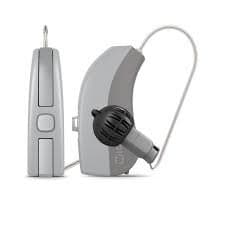
BTE hearing aids sit behind the ear and connect to an earmold or thin tube.
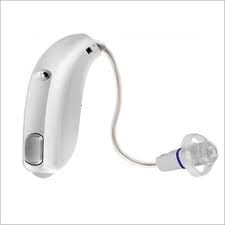
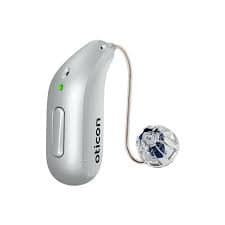
RIC hearing aids are among the most popular hearing aids in 2026.
ITE hearing aids fit inside the outer ear.
These are the smallest hearing aids available.
Bluetooth hearing aids allow direct connection to:
Benefits include hands-free calling and audio streaming.
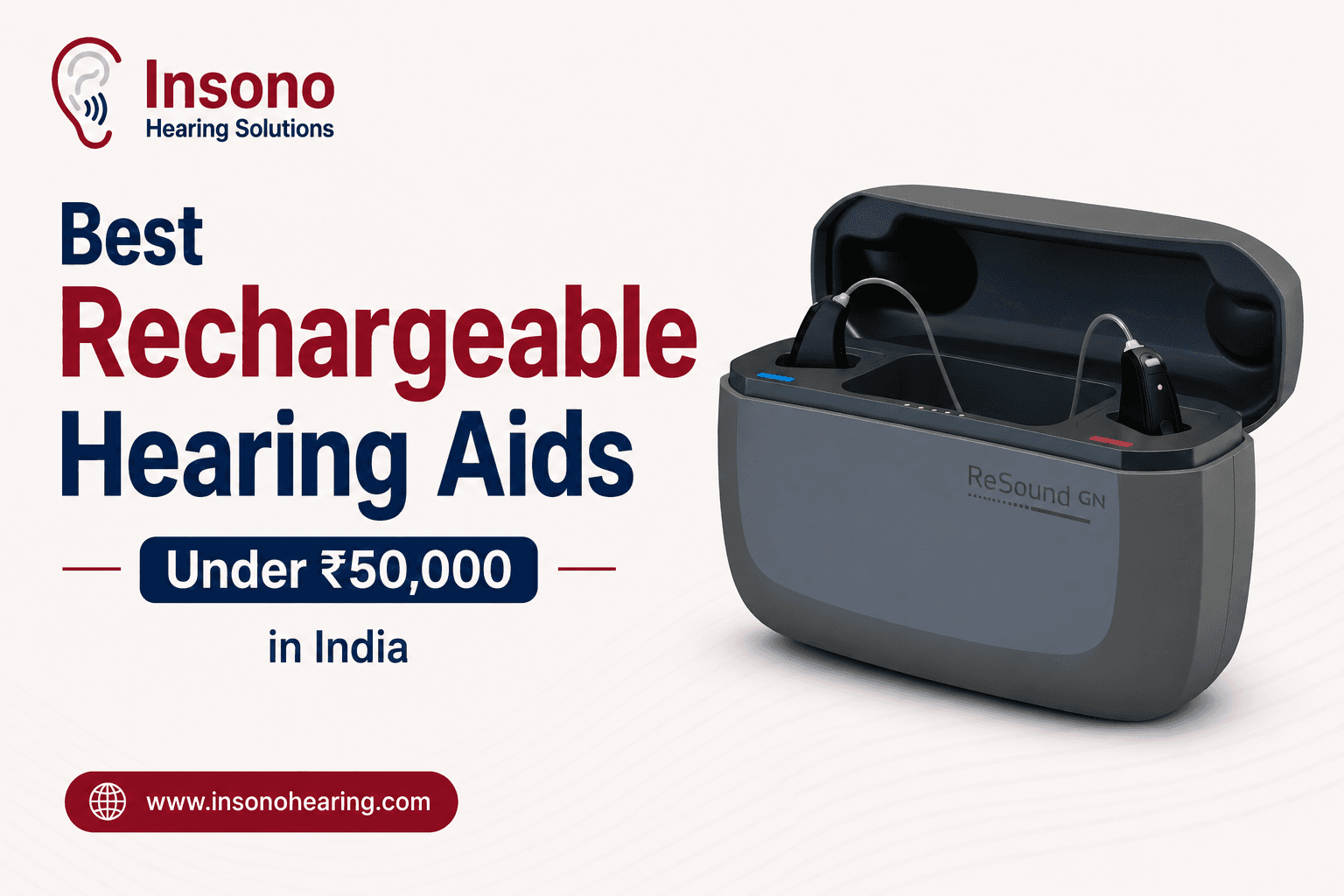
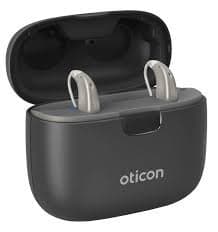
Rechargeable hearing aids are becoming the preferred choice for many users.
Advantages:
Modern hearing aids automatically reduce unwanted background sounds.
This helps improve:
Artificial Intelligence is transforming hearing aid technology.
AI can:
Some hearing aids include tinnitus relief features that help reduce ringing or buzzing sensations in the ears.

Known for:
Best For:

Known for:
Best For:

Known for:
Best For:

Known for:
Best For:

Known for:
Best For:
| Feature | Phonak | Signia | Oticon | Widex | Starkey |
|---|---|---|---|---|---|
| Bluetooth Connectivity | Excellent | Excellent | Excellent | Good | Excellent |
| Rechargeable Options | Yes | Yes | Yes | Yes | Yes |
| AI Features | Advanced | Advanced | Advanced | Good | Advanced |
| Speech Clarity | Excellent | Very Good | Excellent | Very Good | Very Good |
| Tinnitus Support | Yes | Yes | Yes | Excellent | Yes |
| Smartphone App | Yes | Yes | Yes | Yes | Yes |
When selecting a hearing aid, consider the following:
If you:
Investing in a quality hearing aid often results in better long-term satisfaction and hearing performance.
Avoid these common mistakes:
For most users in 2026, Receiver-In-Canal (RIC) hearing aids provide the best combination of comfort, performance, appearance, and advanced features.
Recommended choices:
The right hearing aid depends on your hearing loss level, lifestyle, budget, and personal preferences. Modern hearing aids offer incredible advancements in sound quality, connectivity, and artificial intelligence, making hearing easier than ever before.
Before purchasing, schedule a professional hearing assessment and discuss your needs with an audiologist. A properly fitted hearing aid can make a life-changing difference in your communication and overall well-being.

Popular choices include Phonak Infinio, Oticon Intent, Signia Integrated Xperience, Widex SmartRIC, and Starkey Genesis AI.
A quality hearing aid typically costs between ₹40,000 and ₹4,00,000+, depending on features and technology.
Yes. Rechargeable hearing aids are more convenient, eco-friendly, and eliminate the need for frequent battery changes.
BTE and RIC hearing aids are often recommended for seniors due to their comfort, ease of handling, and powerful performance.
Modern hearing aids use advanced noise reduction and speech enhancement technology to improve hearing in challenging listening situations.
Yes. Most premium hearing aids now support Bluetooth connectivity for calls, music, and app-based control.
Most hearing aids last between 5 and 7 years with proper maintenance and regular servicing.
It is generally recommended to purchase hearing aids through a certified hearing clinic to ensure professional fitting, programming, and ongoing support.