Shoaib Akhtar • 5/23/2026

Hearing aids have become smarter, smaller, and more accessible in 2026. With the growing popularity of OTC (Over-the-Counter) hearing aids, many people are wondering whether they should buy an affordable self-fitting device or invest in professionally fitted prescription hearing aids.
While OTC hearing aids have improved significantly in recent years, most audiologists still recommend prescription hearing aids for people who want better speech clarity, personalized fitting, and long-term hearing support.
In this guide, we’ll compare OTC and prescription hearing aids, explain what hearing experts recommend, and help you understand which option offers the best value for your hearing health.
OTC hearing aids are devices that can be purchased directly without a hearing test, prescription, or audiologist consultation. These devices are mainly designed for adults with mild to moderate hearing loss.
OTC hearing aids are usually available online and come with app-based controls that allow users to adjust volume and basic sound settings on their own.
However, OTC hearing aids are not customized according to an individual’s hearing profile, which can limit their performance in real-world listening situations.
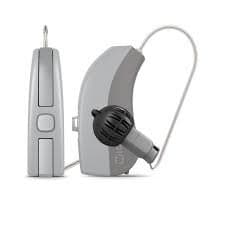
Prescription hearing aids are professionally programmed devices customized after a complete hearing evaluation by an audiologist or hearing specialist.
These hearing aids are designed according to the user’s exact hearing loss pattern, lifestyle needs, and speech understanding difficulties.
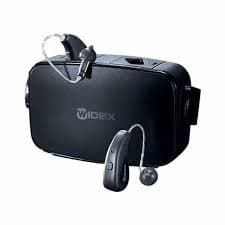
Leading prescription hearing aid brands include Phonak, Signia, Oticon, Widex, ReSound, and Starkey.
Prescription hearing aids are especially recommended for moderate to severe hearing loss and people struggling with speech understanding in daily life.
Modern prescription hearing aids now use AI-powered sound processing, speech enhancement, and adaptive listening technology to deliver a more natural hearing experience. Here are some of the top prescription hearing aids audiologists frequently recommend in 2026.

The latest Phonak Infinio Sphere is one of the most advanced prescription hearing aids in 2026. It is known for exceptional speech clarity, especially in noisy environments like restaurants and crowded gatherings.

Signia’s latest IX platform focuses heavily on real-time conversation enhancement. Audiologists often recommend this model for active users who frequently communicate in group settings.

Oticon Intent uses deep neural network technology trained with real-world sounds to improve speech understanding and listening comfort.
ReSound Nexia is popular for its compact design and premium Bluetooth connectivity features. It performs especially well for mobile users and streaming audio.
| Feature | OTC Hearing Aids | Prescription Hearing Aids |
|---|---|---|
| Hearing Test Required | No | Yes |
| Audiologist Support | No | Yes |
| Sound Personalization | Limited | Highly Customized |
| Speech Clarity | Basic | Advanced |
| Noise Reduction | Moderate | AI-Powered Premium |
| Tinnitus Management | Rare | Common |
| Best For | Mild hearing loss | Moderate to severe loss |
| Long-Term Comfort | Average | Excellent |
| Real-World Performance | Limited | Superior |
| Price | Lower | Higher but more valuable long-term |
Most hearing specialists believe OTC hearing aids can help some users with mild hearing loss, but prescription hearing aids still provide better overall hearing performance and long-term satisfaction.
According to many audiologists, the biggest problem with OTC hearing aids is that they amplify sound generally instead of tailoring sound amplification precisely to the individual’s hearing loss pattern.
This becomes especially problematic in:
Professionally programmed prescription hearing aids use advanced algorithms and hearing test data to improve speech understanding while reducing unwanted background noise.
Several hearing care studies and audiology experts have highlighted the importance of personalized hearing aid fitting.
Research published by hearing care organizations has shown that professionally fitted hearing aids often lead to:
Many audiologists also state that users with untreated or poorly treated hearing loss may experience:
This is one of the major reasons hearing experts continue to recommend prescription hearing aids for long-term hearing health instead of relying only on generic amplification devices.
One of the biggest differences between OTC and prescription hearing aids is performance in background noise.
Modern prescription hearing aids in 2026 use:
These technologies help users focus on speech while reducing surrounding noise.
Although OTC hearing aids are affordable, they are not ideal for everyone.
In some cases, people may not even realize they have a more serious hearing condition because they skip professional hearing evaluations.
For many users, the answer is yes.
While prescription hearing aids cost more initially, they usually provide:
Many hearing specialists believe properly fitted hearing aids can significantly improve quality of life, especially for seniors and people with active social or professional lifestyles.
OTC hearing aids may be suitable if:
Prescription hearing aids are recommended if:

OTC hearing aids may help users with mild hearing loss in quiet environments, but many people struggle with speech clarity in noisy situations.
Audiologists recommend prescription hearing aids because they are customized according to the user’s hearing test results and provide better overall sound quality.
Yes. Seniors often benefit from personalized sound tuning, better noise reduction, and ongoing professional support.
Yes. Prescription hearing aids are specifically designed to improve speech understanding while reducing background noise.
Yes, but they usually offer fewer advanced features and less personalization compared to prescription hearing aids.
For long-term hearing performance and advanced sound quality, most hearing experts still recommend prescription hearing aids.